
Sick Safety Switch
SICK Safety Switches are used to ensure machine safety and operator protection in industrial automation systems. The range includes RE1 Magnetic Safety Switches, STR1 Non-Contact Safety Switches, i110 and i11 Lock Safety Switches, TR4 Direct Safety Switches, and ES11 Emergency Stop Switches . On IndMALL , connect with Verified Suppliers, Direct Connection, and Faster Response to find the right SICK Safety Switch for your application.
- 9SICK series
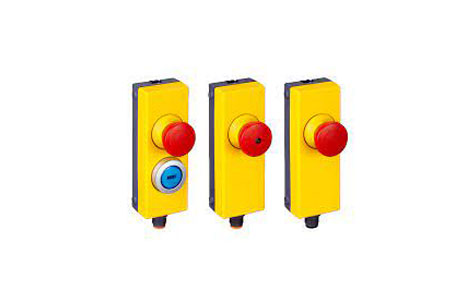
Sick Safety Switch series
Sick Safety Switch: ES11 Series
Design: Slim plastic housing with quick disconnect clip. Functionality: Emergency stop pushbutton, optional combined emergency stop/reset unit. Connectivity: Flexi Loop-compatible M12 connector. Installation: Easy mounting, quick commissioning, and replacement.
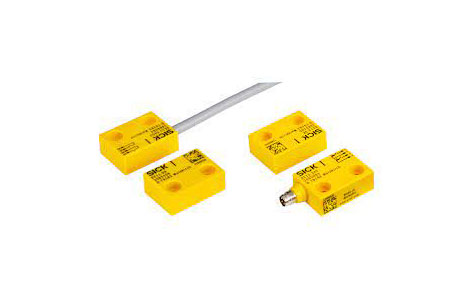
Sick Magnetic Safety Switch: RE1 Series
Response Range: Up to 7 mm. Connection Types: Plug connector or connected cable. Flexi Loop Compatibility: Available in some variants. Applications: Ideal for door monitoring in contaminated or hygiene-sensitive areas.
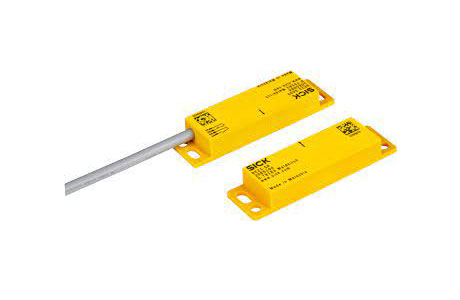
Sick Magnetic Switch: RE2 Series
Response Range: Up to 9 mm. Connection: Options for plug connector or connected cable. LED Indicator: Available for diagnostics (RE27 model). Advantages: Durable, low-maintenance, high tolerance for door misalignment, easy to clean.
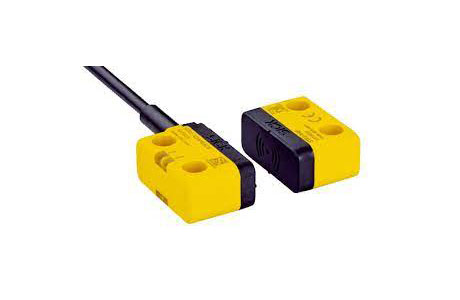
Sick Non Contact Safety Switch: STR1 Series
Response Range: Up to 14 mm. Mounting: Flexible, with small housing. Activation: From three sides. Actuators: Four different sizes. Coding Options: Universal, unique, and permanently coded.
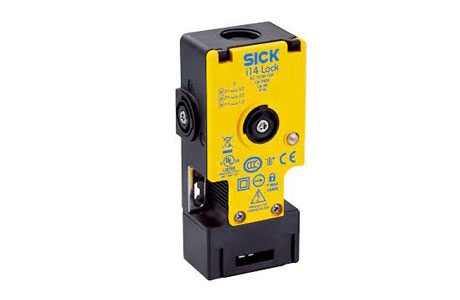
Sick Lock Safety Switch: I14 Series
Type: Type 2, electro-mechanical (EN ISO 14119). Connection Type: Cable gland, 1 x M20; Series Connection: Up to 30 sensors. Advantages: High manipulation protection, shock/vibration resistance, economical series connection, LED status indicator.
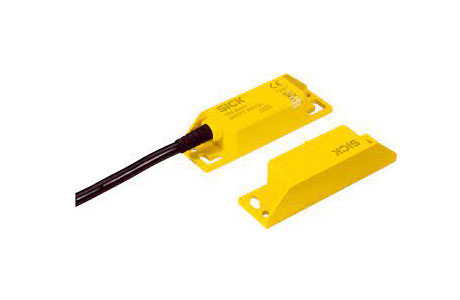
Sick TR4 Direct Safety Switch
Response Range: Up to 25 mm. Coding: Unique and universally-coded sensors. Safety Outputs: Two OSSD safety outputs. Flexi Loop Compatibility: Certain variants feature Flexi Loop-compatible M12 plug connectors.
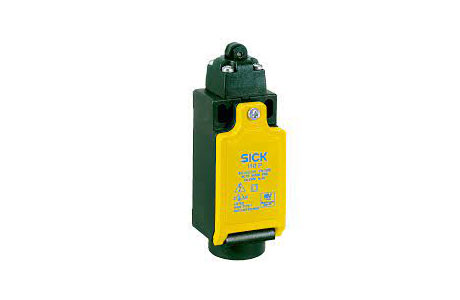
Sick Interlock Switch: I10 Series
Type: Type 2, electro-mechanical (EN ISO 14119). Connection Type: Options for cable gland (3 x M20) or M12 plug connector. Housing: Narrow plastic housing, IP67 enclosure rating.
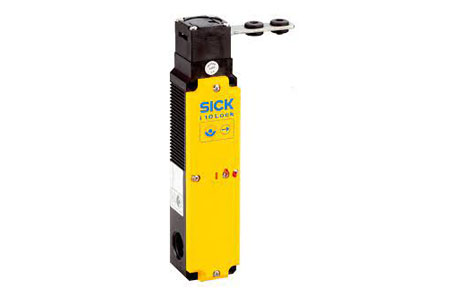
Sick Safety Interlock Switch: TR10 Series
Type: Type 4, RFID (EN ISO 14119). Output: Self-monitoring semiconductor outputs (OSSDs). Locking Principle: Power to release or lock. Design: Slim, rugged, suitable for contaminated environments.
Sick Limit Switch: i110R Series
Robust design for harsh industrial environments. Features integrated actuators for secure detection. Available in varied actuator head options for flexibility. Long lifespan with durable housing. Easy integration with safety control systems.
About Sick Safety Switch
Product List:
Magnetic Reed contacts Plug connector, M8, 4-pin ≤ 30 V DC IndMALL Automation offers a wide selection of SICK safety switches tailored for various industrial applications, ensuring enhanced safety and operational reliability. For high-security needs, the limit switch sick i110R, I14 and I10 lock switches provide strong locking forces, ensuring reliable monitoring with durable design.
Sick Safety Switch FAQs
What is a Safety Switch Used for?
A safety switch is used to quickly disconnect power in industrial machines, ensuring worker safety. It prevents accidental start-ups during maintenance and stops machinery in emergencies. Safety switches are essential for complying with workplace safety regulations, protecting both personnel and equipment from potential hazards associated with unexpected power surges or operational malfunctions.
Where is the Safety Switch?
The safety switch is typically located near the machinery or electrical equipment it’s designed to protect. It’s easily accessible for quick operation in emergencies. In homes, safety switches are often found in the electrical service panel. In industrial settings, they’re usually mounted on or near machines for immediate operator access.
Do I need a Safety Switch?
Yes, a safety switch is essential for both home and industrial settings. In homes, it protects against electrical hazards, preventing shocks and fires. In industrial environments, it ensures machinery safety, protecting workers from accidents. Safety switches are crucial for compliance with safety regulations and maintaining a secure operational environment.
What is the Difference Between a Safety Switch and a Breaker?
The difference between a safety switch and a breaker lies in their functions. A circuit breaker, on the other hand, protects electrical circuits from damage caused by overcurrent or short circuits by interrupting the flow of electricity. Buyers are advised to verify all details and deal directly with vendors before finalizing any transaction.
Need Sick Safety Switch?
Send the model number, quantity and your company details to IndMALL on WhatsApp at +91 79955 44066. We connect you with the right suppliers.