
Panasonic Fiber Optic Sensor: Digital Fiber Sensors
IndMALL Automation offers the Panasonic Fiber Optic Sensor series, including the FX 100, FX 300, FX-410, FX-500 Ver.2, and FX-550L Series. The FX-500 Ver.2 Series provides adjustable response times and a high-contrast display, and the FX-550L Series includes a variable timer function and an incident light intensity display. Choose IndMALL Automation for top-quality Panasonic Digital Fiber Optic Sensors , ensuring efficient and accurate sensing solutions.
- 7Panasonic series

Panasonic Fiber Optic Sensor: Digital Fiber Sensors series
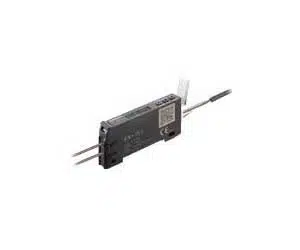
Panasonic Fiber Optic Sensor: FX 100 Series
Supply Voltage: 12 to 24 V DC ±10%, Ripple P-P 10% or less. Output: PNP/NPN open-collector transistor, max current 100 mA. Digital Display: 4 digits (green) + 4 digits (red) LCD display.
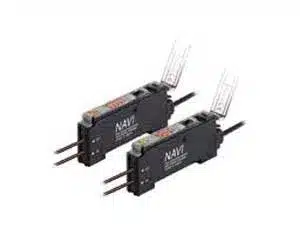
Panasonic Digital Fiber Sensor: FX 300 Series
Long-Range Sensing: Enabled by a built-in optical lens. Response Time: 35µs (FX-301HS model). Ease of Use: Operated with just two switches – a large jog switch and a mode key.
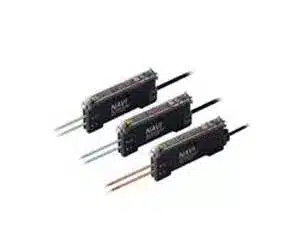
Panasonic Fiber Sensor: FX-410 Series
Supply Voltage: 12 to 24 V DC ±10%, Ripple P-P 10% or less. Response Time: Selectable between 150 µs, 500 µs, and 4.5 ms. Operation Indicator: Orange LED; Stability Indicator: Green LED.
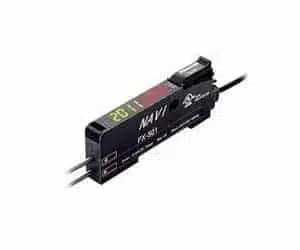
Panasonic Fiber Amplifiers: FX-500 Ver.2 Series
Response Time: Options from 25 µs to 24 ms, selectable based on application needs. Output: NPN/PNP open-collector transistor, max sink/source current 50 mA. Display: High-contrast 7-segment LED display for clear visibility.
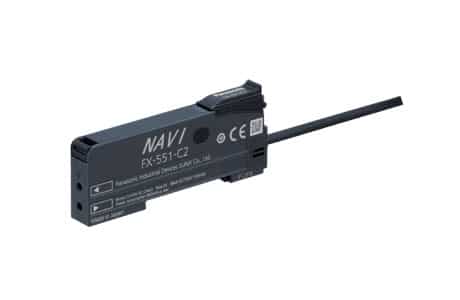
Panasonic Fiber Optic Amplifier: FX-550L Series
IndMALL Automation offers an extensive range of Panasonic Fiber Optic Sensors , renowned for their precision and reliability. Choose our Panasonic sensors for reliable and efficient sensing solutions in your industrial processes.
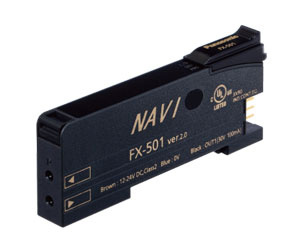
Panasonic Related Products
View series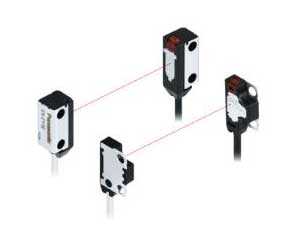
Frequently Asked Questions
View series
Panasonic Fiber Optic Sensor: Digital Fiber Sensors FAQs
What are the Two Types of Optical Fiber Sensors?
The first type is called “intrinsic.” In these sensors, the fiber itself detects changes. Examples are temperature or strain changes. The second type is “extrinsic.” Here, the fiber carries light to a sensing element.
How do Optical Fiber Sensors Work?
Fibers are thin strands, much like hair. They carry light from one end to another. When light travels inside, some properties might change if there’s any external effect like temperature or pressure. In intrinsic sensors, the light changes directly inside the fiber. The changed light then goes back into the fiber.
What Materials are used in Fiber Optic Sensors?
Fiber optic sensors are made of special materials. The main part is the fiber itself. Glass fibers are more common and give clearer signals. It’s where light travels. To protect the fiber, there’s a coating. It shields the fiber from damage. In short, glass or plastic, along with coatings, make up a fiber optic sensor.
What is a Digital Fiber Optic Sensor?
A digital fiber optic sensor is a device that uses fiber optic cables to transmit light for sensing purposes. It converts light changes into digital signals, offering high precision and sensitivity. These sensors are ideal for challenging environments, as they are immune to electromagnetic interference and can detect minute changes.
Need Panasonic Fiber Optic Sensor: Digital Fiber Sensors?
Send the model number, quantity and your company details to IndMALL on WhatsApp at +91 79955 44066. We connect you with the right suppliers.